The Ultimate Guide to Internet Radio Hosting: Launch Your Own Station Today
The landscape of internet radio offers remarkable prospects for budding broadcasters. This guide explores the key aspects of starting a thriving station. From selecting the right software to engaging with an audience, each component is essential. Grasping these components can determine whether a station becomes a temporary pastime and a successful platform. As the industry advances, what steps can one take to make their station stand apart? The solutions are found here.
Exploring Internet Radio: A Comprehensive Overview and Its Advantages
Internet radio has revolutionized the world of audio broadcasting by creating a platform for varied voices and content. Unlike traditional radio, which is often constrained by geographic limitations and regulatory frameworks, internet radio enables anyone with an internet connection to broadcast their ideas, music, and stories worldwide. This ease of access cultivates a dynamic community of creators and listeners, leading to a myriad of niche genres and formats.
The perks of internet radio reach further than diversity. It offers flexibility in programming, enabling hosts to curate content tailored to specific audiences. Additionally, the elimination of hefty licensing fees tied to traditional broadcasting can position it as a more accessible option for up-and-coming broadcasters. Internet radio pertinent details also supports interactivity, allowing listeners to engage with hosts in real-time. In the end, this platform not only opens up the broadcasting process but also enhances the audio landscape, making it an appealing option for both content creators and listeners.
Selecting Software for Your Internet Radio Station
Picking the correct software can considerably impact the performance of an web-based radio station. Various options are accessible, each suited to different needs and budgets. Radio hosts must consider easy-to-use interfaces that enable efficient operation and management. Software that supports live streaming, automated playlists, and scheduling can enhance listener engagement and sustain a regular broadcast schedule.
Additionally, compatibility with various audio formats and streaming protocols is essential for reaching a wider audience. Several platforms feature built-in analytics capabilities, supplying useful details regarding listener demographics and content preferences, that can help drive more informed programming decisions.
Expense also plays a significant role; some software solutions are free, while others require a subscription. At the end of the day, choosing the right software demands a careful balance of features, ease of use, and budget constraints, allowing the station to function at its best while delivering quality content to its audience.
Choosing the Best Equipment for Internet Radio
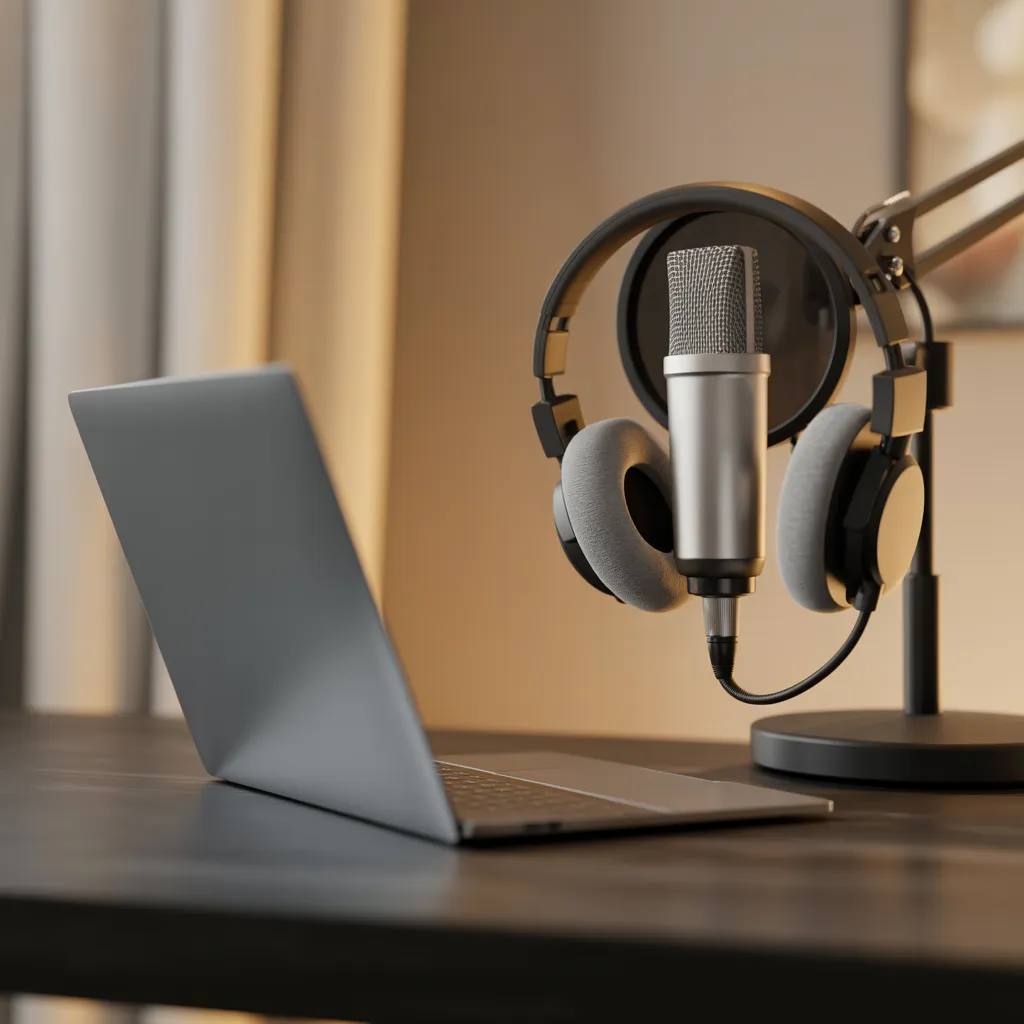
Picking the correct tools is crucial for building a polished internet radio station. Key components include a high-quality microphone, audio interface, and headphones. A professional-grade microphone, such as a condenser mic, captures sound accurately, while an audio interface translates analog signals to digital. This guarantees high audio fidelity for streaming.
Headphones serve as essential for monitoring sound to avoid feedback. Closed-back designs are recommended to prevent audio bleed during broadcasts. Furthermore, a sturdy broadcast mixer can seamlessly handle several audio sources efficiently.
Acquiring a high-quality machine with adequate computing power and RAM is also critical, as it enables streaming software and audio processing tasks.
Furthermore, incorporating a sound dampening system for the recording space can substantially boost audio performance. By thoughtfully choosing each component, content creators can develop a professional and captivating listening experience, setting the foundation for a high-quality digital radio broadcast.
Creating Compelling Content: Deciding Between Storytelling, Music, or Talk
What factors make content genuinely engaging for audiences? The decision between music, discussion, or storytelling notably shapes listener involvement. Music has the ability to stir emotions and foster a collective experience, attracting audiences through carefully selected playlists or live performances. Talk shows, on the other hand, foster connection through discussions on current events, interviews, and personal anecdotes, appealing to listeners seeking information and community.
Storytelling captivates by weaving narratives that resonate with human experiences, compelling listeners to care about the emerging narrative. Each format requires a unique approach; music demands thoughtful curation and seamless progression, spoken word calls for dynamic exchanges and broad perspectives, whereas storytelling flourishes through rich imagery and authentic characters.
In the end, the choice copyrights on the target audience's inclinations and the broadcaster's brand. Finding the right harmony between these components can craft a dynamic auditory environment that draws audiences back time after time, enhancing the broadcaster's general attractiveness.
How to Spread the Word and Expand Your Audience
Robust audience expansion tactics are critical for all web-based radio broadcasts looking to grow their listenership. One fundamental approach is leveraging social media platforms to create buzz and attract listeners. By distributing captivating content, like program highlights or insider behind-the-scenes moments, stations can foster engagement and inspire sharing within target audiences.
In addition, collaborating with digital influencers or other creators can expose the station to fresh audiences. Collaborative promotions, where both parties benefit, can greatly enhance visibility.
Email marketing serves as another powerful resource; regular newsletters can keep listeners informed about upcoming shows or special events. Engaging in online forums and communities related to the station's niche can also help cultivate a loyal listener base.
Additionally guaranteeing the station appears on leading directories and platforms enhances visibility, helping fresh audiences locate it with ease. Together these approaches support effective audience growth for all web-based radio broadcasts.
Engaging Listeners: Interaction Tips
What methods can internet radio stations use to build a genuine bond with their audience? Engaging listeners requires a multifaceted approach that fosters interaction. Broadcasters can take advantage of social media networks to stimulate instant responses, enabling listeners to voice their preferences and requests. Incorporating live call-ins or messages during broadcasts creates an interactive atmosphere, making listeners feel valued.
In addition, arranging contests or giveaways can boost active participation, while periodic polls or surveys support shaping content around audience tastes. Tailored shout-outs can equally enrich the listener experience, ensuring listeners feel noticed and respected.
Additionally, crafting themed shows or segments inspired by listener interests can considerably increase community engagement. Through regularly addressing listener feedback and showing adaptability, radio stations can establish listener trust and loyalty. Above all, the fundamental principle lies in prioritizing listener engagement, converting inactive listeners into a thriving community that is aligned with the broadcasting station's mission.

Questions We Often Receive
What Are the Legal Requirements for Starting an Internet Radio Station?
To start an online radio station, it is necessary to acquire necessary licenses, such as performance rights and broadcasting permissions. Adhering to copyright rules and regulations is imperative to avoid legal issues and guarantee uninterrupted operation.
What Are the Best Ways to Monetize My Internet Radio Station?
To effectively monetize an internet radio station, operators can pursue subscription models, sponsorships, merchandise sales, advertising, listener donations, and affiliate marketing. Diversifying revenue streams improves economic resilience and supports audience growth.
What Are the Best Practices for Maintaining Audio Quality?
To copyright sound clarity, one should implement top-tier equipment, consistently monitor volume levels, integrate correct encoding configurations, minimize ambient noise, and carry out regular testing. Adhering to these practices substantially elevates the complete listening experience.
Can Copyrighted Music Be Used on My Station?
Using copyrighted music on a station requires approval from the copyright owner or a formal license agreement. Failure to do so may result in legal repercussions, such as fines or the forced closure of the station.
How Frequently Should I Revise My Content Schedule?
It is recommended to revise content schedules each week to sustain listener engagement and stay relevant. Frequent updates enable fresh material, adapting to audience preferences, and guaranteeing the station stays dynamic and captivating over time.